
Welcome Dr. Andrew Davidoff!
March 21, 2025
Dr. Andrew Davidoff has joined ACS Engineering & Safety consulting team, bringing extensive expertise in forensic geology! … More Welcome Dr. Andrew Davidoff!
Dr. Andrew Davidoff has joined ACS Engineering & Safety consulting team, bringing extensive expertise in forensic geology! … More Welcome Dr. Andrew Davidoff!

Dr. Kim Kuhlman has joined ACS Engineering & Safety consulting team, bringing extensive expertise in materials laboratory analysis and additional skills in photography, drones, SEO, and AI. Her proficiency in various analytical techniques and technology significantly enhances the organization’s consulting services. [Word count: 49] … More Welcome Dr. Kim Kuhlman!
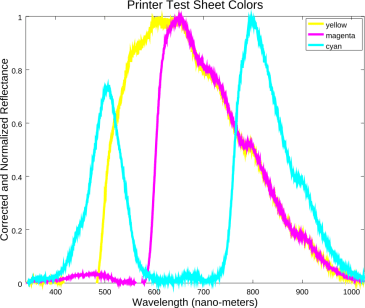
Evidence data can come in many forms. One of the most common is the color photograph. Use of color and the analysis of a photograph can be undertaken in different ways. One approach is a spatial analysis of the variation of the objects within the image, which is by far the most common approach. Less … More Photo Analysis, An Intro

Ever need to calculate the precise position of the Sun at a particular time for a particular location? The good news for those of you in the Houston area who don’t need high accuracy is that there is an online webpage making this possible. If you’re not in this category, then contact ACS Engineering & … More Where is the Sun? An Intro to NASA’s NAIF
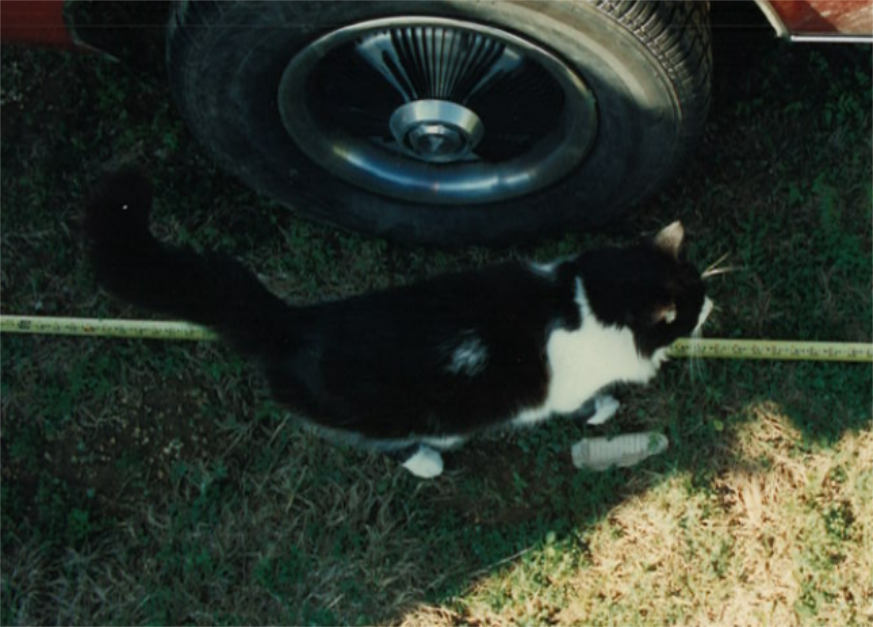
NHTSA is the National Highway Transportation Safety AdministrationYou should look up your vehicle(s) to see if there’s an issue you may not be aware of. While investigating vehicle safety data, important parameters include crash testing, recalls, AND complaints. The NHTSA website is a useful tool for inspecting this information. For example, look up the ratings … More Tip For Vehicle Safety Data: NHTSA

The best case scenario for the Root Cause Analysis (RCA) approach to safety is when used to investigate a “close call”. In our experience, these are infrequently reported. Most commonly, an RCA is conducted when a fatality/injury/other significant damage has occurred, making it a posteriori. It is a necessary step to be taken to prevent … More Organizational/Systemic Failure: Root Cause Analysis
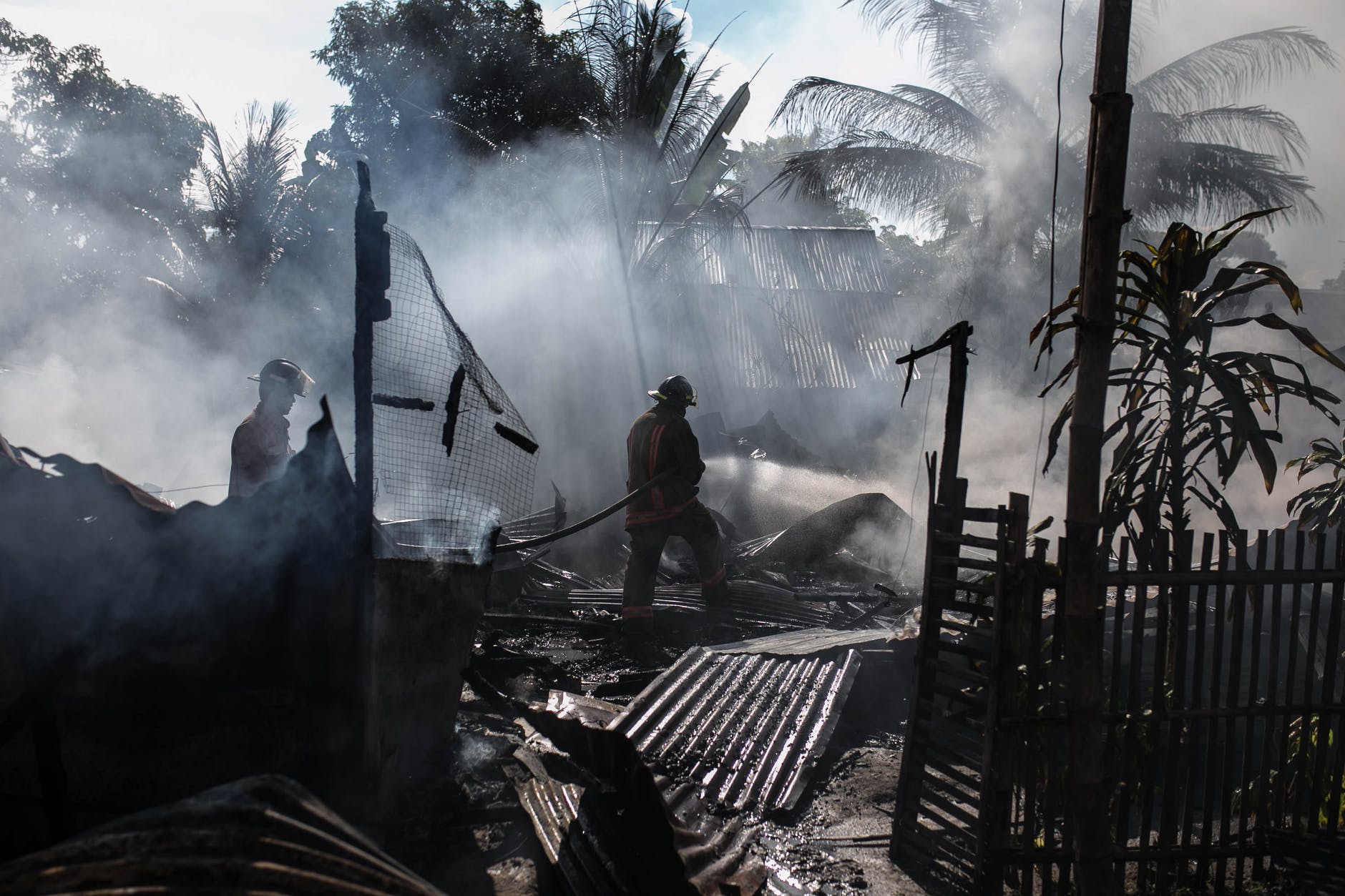
In 1956, a handful of people died in the Arundel Park fire. “Several of the sample population indicated that when they entered the hall after observing the fire from outside the building, they warned their friends and suggested they leave but were laughed at, their warning apparently disregarded.” People have a difficult time interpreting indirect … More Organizational/Systemic Failure: Malignant/Dismissive Authority

As discussed in “The Search For Government Efficiency: From Hubris to Helplessness” by George W. Downs and Patrick D. Larkey, simply measuring the success of any particular organization is a challenge in of itself. For example, pages 74-87 discuss in detail the complexities of food inspection. How do you measure the success of the program … More Organizational Failure Measures
A critical report was released April 1985 by the National Highway Traffic Safety Administration focused on reducing braking distances of heavy vehicles. Among the findings it states, “Complete removal or deactivation of the front brakes, a practice which is common among some trucker users, obviously degrades the [braking] situation…” At issue is a rumored report … More Systemic Failure: The Ghost Report
In the previous post, I discussed OSHA relative to its reliability as a standard on which to judge the applicability of safety concepts. One way of looking at the field of safety is how to implement OSHA standards effectively, comprehensively, intelligently, and organically. With any type of measurement, whether quantitative with a ruler or qualitative … More Systemic Organizational Failure Root Cause: Safety as a Standard, Part 2